01
Rusty's Retirement: best for solo devs with a small, sharp idea
Platform: Steam · paid
Jordan Morris built Rusty's Retirement alone, starting from a two-week prototype made while unwinding after his Metroidvania Haiku the Robot. According to GameDiscoverCo, it launched on 26 April 2024 with about 140,000 wishlists, averaged roughly 20,000 units a day over its first five days, and was near 330,000 Steam units by late August.
The details are worth copying. Morris priced it at $7, between idlers at $0 to $5 and farming sims at $10 to $15, because it 'has more content than a regular idler.' A Supporter Pack DLC that only adds a skin sold about 36,000 units for around $111,000. Twitch viewers could spawn on the farm, and China made up about 26% of sales, with Japan, Korea and Taiwan adding another 20%.
The hook was the format: 'designed to sit at the bottom of your screen.' It is 97% positive on Steam.
Watch out for: Morris had already shipped a game before this one. Do not read 140,000 wishlists as typical for a first game.
02
Melvor Idle: best for fan-inspired games that grow into partnerships
Platform: Browser, Steam, Mobile · paid
Brendan Malcolm started Melvor Idle as a solo developer in 2018, a RuneScape-inspired idle game. By October 2021, PocketGamer.biz reported over 600,000 downloads across Steam and mobile, and RuneScape's own developer, Jagex, signed it through its Jagex Partners label to handle marketing, localisation, tech support and QA.
Version 1.0 launched on 18 November 2021 at $9.99 on Steam, free to try on mobile with a one-time unlock, and Jagex announced it had passed one million unique players. In October 2026 GamingOnLinux reported Jagex publishing the sequel, Melvor Idle 2, with Early Access set for 17 November 2026. Malcolm: 'Melvor Idle started as a small passion project inspired by RuneScape.'
It is 90% positive on Steam.
Watch out for: Building on someone else's world only worked here because the rights holder embraced it. Fan games can just as easily get a takedown; talk to the owner early.
03
Cookie Clicker: best for browser classics considering a Steam release
Platform: Browser, Steam, Mobile · free
Orteil's Cookie Clicker was a free browser game from 2013 when its Steam version launched in September 2021 at $4.99. Within a week PCGamesN reported 60,009 concurrent players, per SteamDB.
Eight years of free play built the audience that bought it. The browser version stayed free, and the Steam release let long-time players pay for the game in a store they already use, with Steam achievements on top.
Today it is 96% positive on Steam across more than 93,000 reviews, one of the most-reviewed idle games on the platform.
Watch out for: The lesson is not 'port your web game.' Cookie Clicker had a decade of name recognition; a little-known browser game needs its own Steam marketing plan.
04
Bills Must Be Paid: best for a fast, well-marketed take on a known subgenre
Platform: Steam, $6.99. Rike Games, two developers
Rike Games, two people, built Bills Must Be Paid in seven months, January to July 2026, in what Chris Zukowski of How To Market A Game calls 'the Node-buster sub-sub-genre of incrementals.' It went from 528 wishlists at announcement to over 61,000 at launch, entering Steam Next Fest with 15,623 and gaining about 7,000 there.
At launch it 'Earned $163,842 in the first 24 hours' and 'Sold 330,000 units in the first 20 days,' per the figures in that write-up. The twist was a recurring bill that acts like a forced prestige, plus 3D art and game feel that stood out among pixel-art lookalikes.
Zukowski's takeaway: 'The fanbase loves incrementals,' but the bar keeps rising, so indies need better art and more novel mechanics.
Watch out for: These are the studio's own reported numbers in one article. $200 of Reddit ads brought just 19 tracked wishlists; the growth came from Next Fest and organic attention, not paid ads.
05
Nodebuster: best for short games that define a subgenre
Platform: Steam · paid
Goblobin's Nodebuster launched on 13 August 2024 at $2.99, 'a short, experimental incremental game about busting nodes and destroying reality.' It is 97% positive on Steam across about 14,000 reviews, and Laura Michet writes that it is 'completable in about 3 hours.'
Its biggest impact is on other games. Michet quotes a player saying 'most short-form idle games has borrowed at least one of its mechanics from it,' and in 2026 a launch write-up described a new hit as part of 'the Node-buster sub-sub-genre,' a category named after this game within two years.
The lesson: a low price, a tight three-hour loop and strong feedback can outperform much bigger games.
Watch out for: Goblobin has not published sales figures, and estimates from tracker sites are not data. Judge it on reviews and influence, which are public.
06
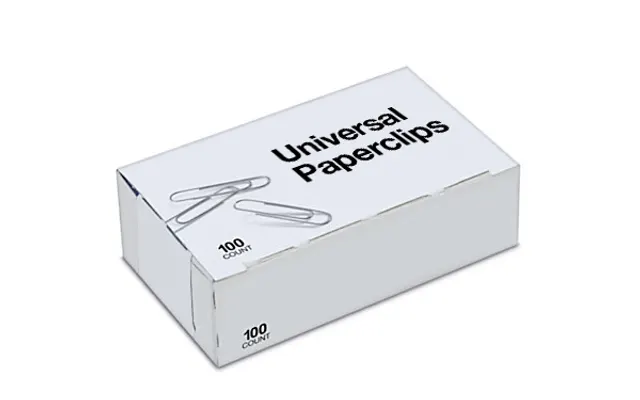
Universal Paperclips: best for concept-led games spread by word of mouth
Platform: Browser, Mobile · free
Frank Lantz released Universal Paperclips as a free browser game on 9 October 2017. According to Wired, as cited by Wikipedia, 450,000 people played it in the first 11 days, most of them to completion. A paid mobile version followed.
There was no art budget and no marketing campaign. The idea, an AI told to make paperclips, did the work, and the three-act arc meant players finished it and told friends.
If your concept fits in one sentence and gets a reaction, a free web release can be the launch.
Watch out for: Paperclips' spread was unusual and impossible to plan for. Word of mouth still needs someone to start it, so post your free game where players will see it.

07
A Dark Room: best for browser games that find a second life on mobile
Platform: Browser, Mobile · free
Michael Townsend's A Dark Room launched in browsers in June 2013. Developer Amir Rajan asked permission to port it to iOS, and according to The New Yorker, as cited by Wikipedia, the app 'rocketed to the most-downloaded spot in the App Store's games section in April and stayed there throughout the month.' Android and Nintendo Switch versions followed.
A text game with no art became a chart-topper on phones. The port worked because the original was complete and loved, and because a second developer brought platform skills the original author did not need to learn.
Consider a port partner if your game is done on one platform and you would rather make the next one.
Watch out for: Ports need clear agreements on credit and revenue. Rajan asked first; make sure any partner does too, and put it in writing.
08
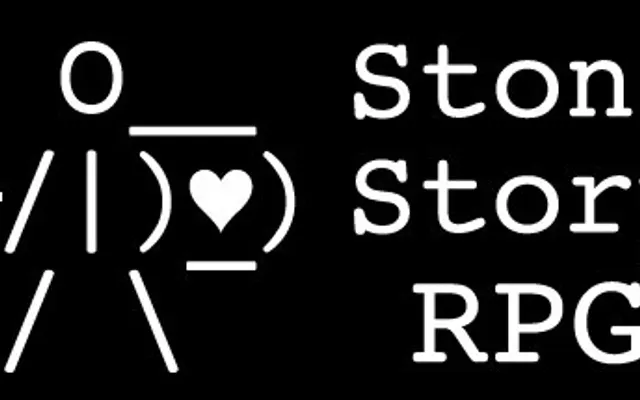
Stone Story RPG: best for long, uncompromising passion projects
Platform: Steam, Mobile · paid
Martian Rex's Stone Story RPG took nine years. Its release announcement describes 'more than 16,000 hand-drawn frames of text-based animation' and a full release on PC, iOS and Android, free to play on mobile and paid on PC.
It is 91% positive on Steam. Its scripting language, Stonescript, gave dedicated players a way to keep playing, and the look is unlike anything else in the genre.
It shows that an idle game can be a craft object and still find an audience, if the craft is visible in every screenshot.
Watch out for: Nine years is a long time to fund. Most developers cannot afford it; plan smaller releases or Early Access along the way, as Stone Story did from 2019.
09
Idle Miner Tycoon: best for understanding the mobile free-to-play end
Platform: Mobile · free-to-play
Kolibri Games' Idle Miner Tycoon, released in 2016, had passed 104 million downloads when Ubisoft bought 75% of the Berlin studio in February 2020, according to Ubisoft's announcement. Kolibri had about 100 staff at the time.
This is a different business from everything else on this list: ads, in-app purchases, user acquisition and a large team. Kolibri's own art blog shows the same discipline in design, a simple style chosen to reach the widest possible audience.
Study it to understand mobile idle economics, then decide honestly whether that is the game you want to make.
Watch out for: Mobile free-to-play success depends on paid acquisition and live operations. A solo developer copying the format without that machinery rarely sees these numbers.

10
Bongo Cat: best for learning that players are not revenue
Platform: Steam · free
Bongo Cat, a free cat that drums on your taskbar, became one of Steam's most-played games in 2025. Yet its developer, Marcel Zurawka of Irox Games, told Eurogamer it 'is still not profitable,' as WN Hub reported: net revenue of $2,000 in March 2025, $4,050 in April, $3,800 in May and $2,800 in June.
Daily presence averaged 170,000 to 180,000 on Steam, but Zurawka said about half were bots, farming cosmetic drops to sell on the Steam marketplace. He said he never intended to make money and wanted to experiment with the marketplace.
It is 96% positive on Steam, and proof that a concurrent-player chart is not a business plan.
Watch out for: Tradeable drops attract bots. If your game gives marketplace items for idling, expect farms and plan for them before launch.